
Types of Barbecue Briquettes and Their Uses

Types of Barbecue Briquettes

Barbecue charcoal briquette is a popular fuel source for grilling, valued for its consistent heat output and long burn duration. As you explore the Types of Barbecue Briquettes, keep in mind that each one has unique characteristics and uses. Each type has unique characteristics that can affect cooking time, flavor and performance. By learning the differences, you can choose the best briquette for your grilling method and taste preference. For more detailed information, you can visit this guide on barbecue charcoal briquette.

1. Charcoal Briquettes

Charcoal briquettes are affordable, easy to use and popular for grilling. Before discussing their uses, here’s what they are:

What Are Charcoal Briquettes?

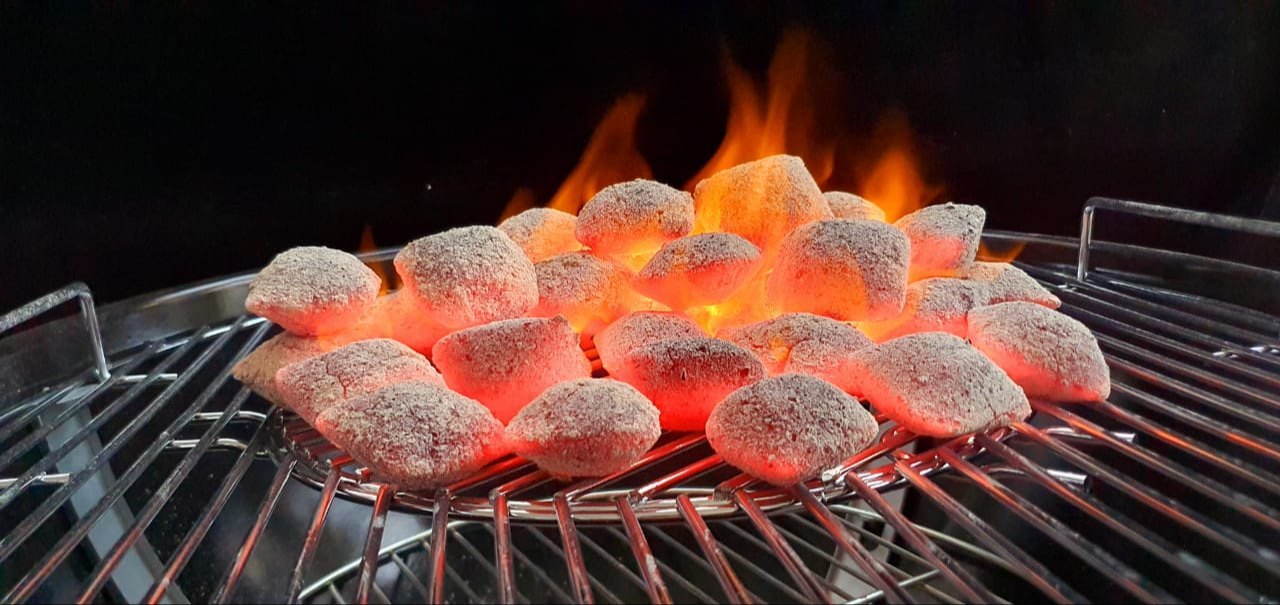
Charcoal briquettes are made from compressed charcoal dust mixed with natural binders like starch. This process produces uniform, pillow-shaped blocks that are easy to stack, light and burn steadily. While some may contain additives to improve ignition or burn time, many modern brands focus on cleaner, more natural compositions.

Uses of Charcoal Briquettes

Charcoal briquettes are ideal for traditional grilling. Their consistent heat makes them perfect for cooking a variety of meats, including:

  • Burgers

  • Steaks

  • Chicken

  • Sausages

They are also suitable for long grilling sessions or indirect cooking methods. Charcoal briquettes work well in kettle grills, offset smokers and barrel grills.

If you’re looking for an affordable and reliable option for casual backyard BBQs, charcoal briquettes are an excellent choice.

2. Hardwood Briquettes

Hardwood briquettes offer natural flavor and clean burning, ideal for smoking and slow cooking. Before their uses, here’s what they are:

What Are Hardwood Briquettes?

These briquettes are made entirely from natural hardwood without any chemical additives, which helps preserve a more authentic and rich wood flavor compared to standard charcoal briquettes.

Uses

Hardwood briquettes are excellent for smoking and slow cooking because they burn steadily and produce significantly less ash. They also emit a pleasant smoky aroma, which enhances the taste of dishes like ribs, brisket or pulled pork, making them perfect for recipes that require long cooking times.

3. Coconut Shell Briquettes

Coconut shell briquettes are an eco-friendly, efficient fuel growing popular with grillers. Here’s what they are:

What Are Coconut Shell Briquettes?

Coconut shell briquettes are made from recycled coconut shells, making them an eco-friendly and sustainable option. These briquettes are gaining popularity due to their ability to burn hotter and longer compared to traditional charcoal, providing efficient heat for grilling.

Uses

Coconut shell briquettes are ideal for grilling seafood and vegetables, thanks to their clean burn and low ash production. Because they produce minimal smoke and residue, they are also well-suited for indoor grilling setups and ceramic grills, offering a convenient and environmentally friendly grilling experience.

4. Sawdust Briquettes

Sawdust briquettes are a sustainable choice popular with chefs for their slow, even burn. Before their uses, here’s what they are:

What Are Sawdust Briquettes?

These briquettes are carefully made by compressing pure sawdust without using any chemical binders, making them a highly eco-friendly and natural fuel source for sustainable cooking.

Uses

Sawdust briquettes are especially ideal for smoking because they burn slowly and produce a mild, consistent heat that is perfect for delicate cooking. They work best for dishes that require long cooking times at lower temperatures, such as smoked meats and other flavors that benefit from gentle heat.

Conclusion

Types of Barbecue Briquettes, Choosing the right barbecue briquette depends on what you’re cooking and how. Charcoal briquettes are versatile and widely used, hardwood briquettes offer natural flavor, coconut briquettes are eco-friendly and hot-burning and sawdust briquettes are perfect for slow smoking. Understanding each type’s benefits helps you elevate your barbecue experience. For more details, visit Jacoid