
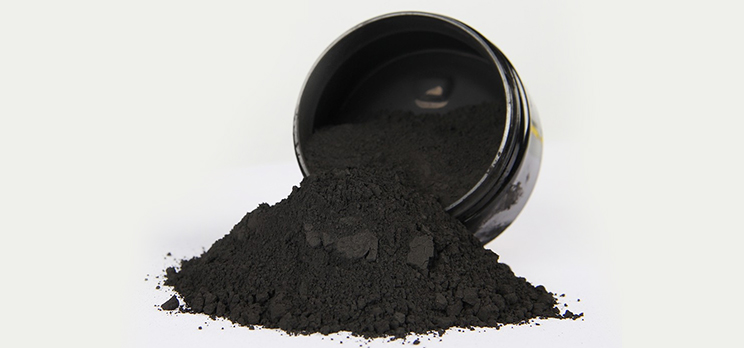
Coconut charcoal briquettes that produce little residue are gaining popularity due to their superior burning quality and environmental benefits. These briquettes, especially when made from 100% coconut shell, burn cleaner, create less waste, and deliver consistent heat over long periods. Coconut shell charcoal briquettes are recognized as among the cleanest-burning solid fuel options.
When producers use only high-quality coconut shells without mixing in fillers or binders, the result is a briquette with low ash content—often in the range of 2–3%. According to a study, 100% coconut shell charcoal can produce an ash content as low as 2.07%, which is ideal for clean combustion. This makes these briquettes an excellent alternative to wood charcoal, which typically produces more ash and smoke.
Coconut Charcoal Briquettes That Produce Little Residue
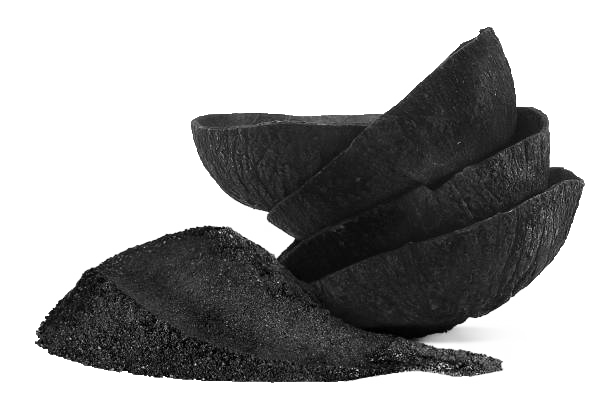
Key Characteristics of Coconut Charcoal Briquettes with Low Residue
Low Ash Content
This serves as the main sign of a premium briquette that leaves minimal residue. Low ash levels, ideally below 5%, show that the briquette will leave behind very little residue after burning. The less ash produced, the more efficient and cleaner the burn.
100% Coconut Shell Composition
Using pure coconut shell without mixing in other materials helps maintain a low ash profile. Mixed materials or poor-quality raw ingredients can increase ash levels and reduce combustion efficiency. Coconut shell naturally contains fewer minerals that turn into ash, making it ideal for briquette production.
High Combustion Efficiency
Briquettes with minimal ash output allow more energy to go directly into producing heat, rather than being lost in the form of waste. This makes the briquettes not only cleaner but also more energy-efficient, which is especially important in cooking and industrial uses.
Factors Affecting Briquette Residue and Quality
Carbonization Process
The carbonization process, which involves heating the coconut shell in a low-oxygen environment, plays a major role in ash content. When done properly in a controlled, closed environment, the process reduces impurities and enhances the overall quality of the charcoal.
Carbonization Temperature
The temperature during carbonization also affects residue levels. Higher temperatures tend to produce more stable charcoal with a lower ash content. However, the temperature must be carefully managed to avoid burning off too much of the carbon or creating inconsistent material.
Moisture Content
Lower moisture levels in the raw material lead to a cleaner burn and less steam or smoke. Excess moisture can lead to incomplete combustion, which increases residue and reduces heat output.
Advantages of Using Low-Residue Coconut Charcoal Briquettes
Easier Cleaning
Less ash means less cleanup. After cooking or grilling, users spend less time dealing with waste, making these briquettes more convenient, especially in restaurants or catering businesses.
Improved Heat Efficiency
With less ash, heat distributes more evenly, and less energy is wasted. This results in faster cooking times and better fuel economy, reducing overall costs.
Environmentally Friendly
As a renewable byproduct of the coconut industry, coconut shells offer an eco-friendly raw material for briquettes, promoting sustainable energy use and minimizing agricultural waste.
Consistent Performance
Low-residue briquettes maintain consistent shape, density, and heat output, which ensures a uniform cooking or heating experience.
Conclusion
In conclusion, coconut shell charcoal briquettes that produce little residue offer a clean, efficient, and sustainable alternative to traditional wood charcoal. With benefits like low ash content, high combustion efficiency, and easier maintenance, they are an excellent choice for eco-conscious consumers and businesses alike. When produced with quality in mind, these briquettes deliver long-lasting performance and minimal environmental impact.