
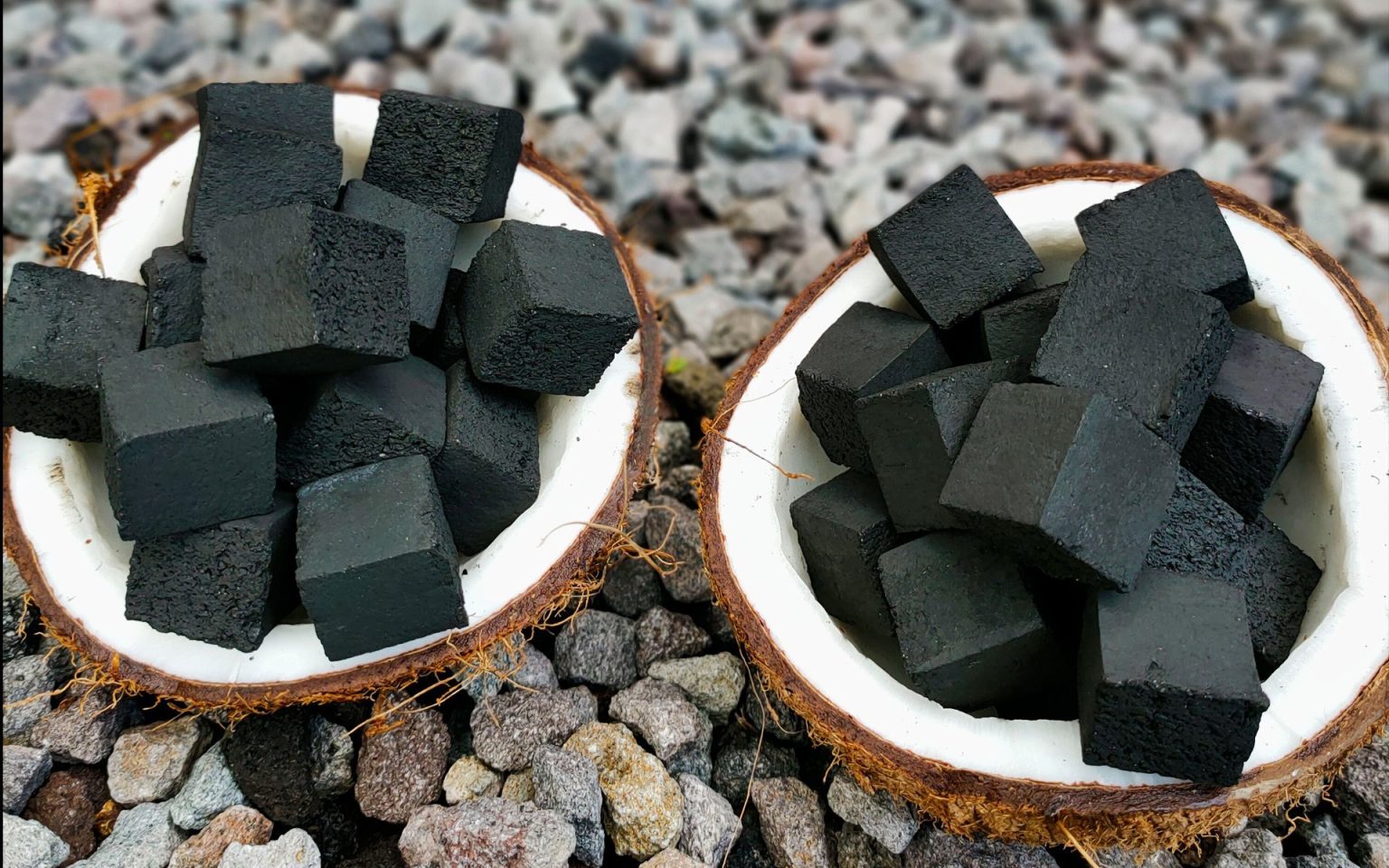
Indonesia has become one of the leading countries in the global briquette industry. In addition, the demand for eco-friendly fuel products continues to rise, especially in international markets. Therefore, understanding the briquette export requirements in Indonesia is very important for anyone who wants to enter this business.
Why Export Requirements Are Important
First of all, export requirements are designed to ensure that all products meet international standards. Moreover, buyers from overseas expect consistent quality, proper documentation, and legal compliance. Without these requirements, shipments may face delays or even rejection at customs.
In addition, fulfilling export regulations helps build trust with international buyers. As a result, exporters who follow proper procedures are more likely to establish long-term business relationships.
Legal Requirements for Briquette Export
Before starting export activities, there are several mandatory legal requirements that must be prepared. For instance, exporters must have a registered business entity such as PT or CV. Furthermore, the following documents are essential:
- Business Identification Number (NIB)
- Exporter Identification Number (API-E)
- Tax Identification Number (NPWP)
- Customs registration documents
In addition, some destination countries may require product certifications or lab test results, especially for coconut shell charcoal briquette products to ensure safety and quality standards.
Product Quality Standards
Besides legal documentation, product quality is another critical requirement. International buyers are very strict regarding specifications. Therefore, exporters must ensure:
- Low moisture content (below standard limit)
- High carbon content for better burning performance
- Uniform shape and size
- Strong packaging to prevent damage during shipping
Moreover, consistency is key because buyers often reject products that do not meet agreed specifications.
Export Documentation Process
To continue, exporters must also prepare complete export documents. These usually include:
- Commercial invoice
- Packing list
- Bill of lading
- Certificate of origin (if required)
Furthermore, proper documentation helps speed up customs clearance and avoids unnecessary delays during shipment.
If you want to understand the full process step-by-step, you can also refer to this guide: How to Export Briquettes from Indonesia.
Market Compliance and Standards
Meanwhile, different countries may have different import regulations. For example, some European countries require stricter environmental compliance compared to other regions. Therefore, exporters must always research target market regulations before shipping products.
In addition, maintaining compliance not only avoids legal issues but also increases competitiveness in the global market.
Challenges in Meeting Export Requirements
However, fulfilling export requirements is not always easy. For instance, new exporters often struggle with documentation, certification, and quality consistency. In addition, changing regulations can also create challenges for businesses.
As a result, continuous learning and proper preparation are essential for long-term success in this industry.
Conclusion
In conclusion, briquette export requirements in Indonesia play a crucial role in ensuring smooth international trade. Moreover, compliance with legal, quality, and documentation standards helps exporters build trust and credibility in the global market.
Ultimately, success in this business depends on discipline, consistency, and proper understanding of export regulations. With the right approach, Indonesian exporters can compete effectively and grow in the international briquette industry.