
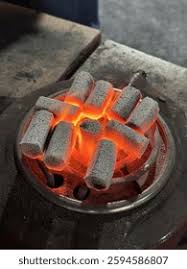
How to set up charcoal for grilling properly determines heat stability and cooking success. Many grillers experience uneven heat because of poor arrangement. Therefore, correct charcoal placement improves consistency significantly. Moreover, organized setup increases fuel efficiency and enhances flavor quality.
How to Set Up Charcoal for Grilling the Right Way
Preparation always comes first before lighting charcoal. First, remove old ash from the grill base. Consequently, airflow improves and combustion becomes more efficient. Next, select high quality briquettes for stable and predictable burning.
Arrange the charcoal evenly inside the grill chamber. Therefore, heat spreads consistently under the grate surface. Additionally, avoid piling briquettes randomly. As a result, oxygen circulation remains balanced during cooking.
How to Set Up Charcoal for Grilling Using Two Zone Method
The two-zone method improves temperature flexibility. First, stack more charcoal on one side of the grill. Then, leave the other side with fewer briquettes. Consequently, you create direct and indirect heat areas easily.
Direct heat works well for fast searing. Meanwhile, indirect heat supports slow roasting and thicker cuts. Therefore, you gain better control over cooking results. Furthermore, adjust bottom vents gradually to regulate airflow. As a result, temperature stays stable throughout the session.
Lighting Charcoal for Even Combustion
Proper ignition ensures stable heat from the start. Use a chimney starter to light briquettes evenly. Therefore, you reduce smoke and unwanted flavors. Wait until they turn partially gray before spreading.
Avoid cooking on fully black charcoal. Consequently, you prevent unpleasant taste. Monitor temperature regularly to maintain steady cooking conditions.
Some grillers also explore guides about what kind of charcoal for grilling works best for hybrid setups. These methods combine gas convenience with authentic charcoal flavor enhancement.
Choosing the Best Charcoal Type for Grilling
Selecting the right charcoal directly impacts cooking performance. Coconut shell briquettes provide high fixed carbon and low moisture levels. Therefore, they burn longer and produce steady heat output. Moreover, uniform shape improves stacking efficiency inside the grill.
In contrast, lump charcoal ignites faster but burns inconsistently. Consequently, maintaining stable temperature becomes more challenging. For this reason, many professional grillers prefer briquettes for reliable results.
To explore product specifications and charcoal varieties, visit nshookah.com. The website offers helpful resources about charcoal performance and grilling solutions. Therefore, buyers make informed decisions before purchasing.
Managing Fuel Efficiency and Performance
Fuel management affects cooking cost and duration directly. High density briquettes burn longer and more steadily. Therefore, you reduce refueling frequency and maintain stable heat. Additionally, uniform shape improves airflow and stacking control.
In contrast, lump charcoal often burns unevenly. Consequently, temperature becomes harder to manage. Coconut shell briquettes offer high fixed carbon and low moisture. Therefore, they produce steady heat and minimal ash.
For more insights about charcoal options and techniques, visit nshookah.com for reliable information.
Conclusion
In conclusion, mastering how to set up charcoal for grilling requires preparation, correct placement, and airflow control. Briquettes provide stable heat and predictable performance. Therefore, they support consistent and efficient cooking sessions.
By applying the two-zone method and monitoring temperature carefully, grillers improve results significantly. Furthermore, selecting quality charcoal ensures better flavor and durability. Ultimately, structured setup and proper technique lead to superior barbecue outcomes.


