
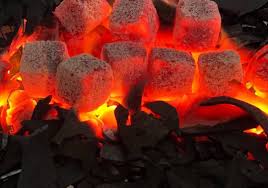
Is charcoal good for grilling is a common question among home cooks and food businesses. Many grillers compare flavor, heat intensity, and efficiency carefully. Therefore, understanding charcoal performance helps buyers choose the right fuel. Moreover, proper fuel selection improves cooking consistency and overall results.
Is Charcoal Good for Grilling Compared to Gas?
Charcoal produces a distinctive smoky flavor during combustion. As a result, many chefs prefer charcoal for authentic barbecue taste. In contrast, gas grills prioritize convenience and fast ignition. Therefore, flavor depth often becomes the deciding factor.
Furthermore, charcoal generates higher peak temperatures than most gas systems. Consequently, it supports better searing and caramelization. However, temperature control requires manual airflow adjustments. Thus, users must monitor vents carefully during cooking.
Is Charcoal Good for Grilling Long Sessions?
Long grilling sessions demand stable and consistent heat. High quality briquettes burn steadily for extended periods. Therefore, they reduce frequent refueling interruptions. Additionally, dense compression improves burning duration significantly.
Meanwhile, lump charcoal ignites faster but burns more quickly. Consequently, users may need to add fuel during extended cooking. However, many professionals still prefer charcoal because of superior flavor results.
For those exploring hybrid methods, some users experiment with charcoal briquettes for gas grill setups. This approach enhances smoky flavor while maintaining convenience.
Flavor and Heat Control Advantages
Flavor remains the strongest advantage of charcoal grilling. When fat drips onto hot coals, smoke rises naturally. As a result, food absorbs richer aroma and deeper taste. Moreover, charcoal creates dynamic heat zones across the grill surface.
However, heat management requires attention and experience. First, arrange briquettes evenly for balanced distribution. Then, adjust airflow gradually to stabilize temperature. Consequently, you maintain better control throughout the session.
Additionally, charcoal supports both direct and indirect cooking techniques. Therefore, grillers can sear, roast, or smoke using one setup. In contrast, gas grills may require additional accessories for similar versatility.
Efficiency and Sustainability Considerations
Efficiency plays an important role in commercial grilling operations. Coconut shell briquettes offer high fixed carbon content and low moisture. Therefore, they burn longer and more consistently. Moreover, uniform shapes simplify stacking and airflow control.
From a sustainability perspective, coconut shell briquettes utilize agricultural waste effectively. Consequently, they reduce reliance on hardwood resources. Businesses seeking environmentally responsible solutions often prefer this option.
Before making purchasing decisions, buyers often review trusted industry resources. For additional insights and comparisons, visit https://golfsidan.com. The website provides structured content that supports informed evaluation and fuel selection.
Why Many Businesses Still Prefer Charcoal
Despite the convenience of gas grills, charcoal remains highly popular. First, it delivers authentic flavor that customers recognize immediately. Second, it produces high heat ideal for steak and barbecue dishes. Therefore, restaurants often rely on charcoal for premium menu items.
Additionally, charcoal grilling enhances the overall cooking experience. The visual glow and aroma create strong customer appeal. As a result, businesses strengthen brand perception and dining atmosphere.
Conclusion
In conclusion, charcoal offers strong flavor, high heat, and versatile cooking methods. Therefore, it remains an excellent choice for grilling enthusiasts and professionals. Although it requires more attention than gas, the results often justify the effort.
Ultimately, is charcoal good for grilling depends on cooking priorities. However, for authentic taste and performance flexibility, charcoal remains a powerful and reliable option.


